
The allure of risk and reward
The intrinsic allure of gambling in casinos primarily stems from the psychology of risk and reward. Many individuals are irresistibly drawn to the thrill of potentially winning substantial sums of money, which generates feelings of excitement and anticipation. This phenomenon can be explained through basic psychological theories such as reinforcement theory, which posits that behaviors are encouraged by rewarding outcomes. For those looking to enhance their gaming experience, exploring canadian betting sites can provide additional opportunities, captivating players and driving them to engage repeatedly with various games.
Adding to this dynamic are cognitive biases, particularly optimism bias, where gamblers often overestimate their chances of success. They believe that they are more likely to win than is statistically probable, a misconception reinforced by frequent exposure to wins, whether minor or significant. This cognitive distortion primes players to think that fortune is just a game away. The emotional high from wins, combined with the personal investment in the game, creates a feedback loop that keeps players returning to the gaming floor, eager for another chance at victory.
Furthermore, the social environment within casinos amplifies this attraction to gambling. The palpable excitement generated by fellow gamblers creates an atmosphere brimming with enthusiasm and energy. Witnessing others win can be contagious, heightening an individual’s own desire to participate. This communal experience merges individual motivations for risk-taking with a broader context of social validation and shared excitement, making the gambling experience even more compelling and immersive.
The role of cognitive biases in gambling
Cognitive biases significantly influence the decision-making processes of gamblers, often leading to irrational behaviors and poor judgment. One prevalent bias is the ‘gambler’s fallacy,’ where players erroneously believe that past outcomes will affect future results. For example, if a roulette wheel has landed on red multiple times consecutively, a player might feel that black is ‘due’ to appear, despite the fact that each spin is an independent event. This flawed thinking can lead to irrational betting patterns, which can have detrimental effects on a gambler’s overall experience and financial well-being.
Another common cognitive bias in gambling is the illusion of control. Many players mistakenly believe that their actions can influence the outcomes of games based on chance, such as slots or dice games. This perceived control can drive increased betting activity, as individuals may continue to gamble under the false assumption that they can sway luck in their favor. This illusion is especially strong in games that include an element of skill, where the application of strategy can temporarily boost confidence, reinforcing the belief that they can exert control over their gambling outcomes.

Moreover, selective memory plays a critical role in shaping gamblers’ perceptions. Players tend to recall their wins more vividly than their losses, leading to a skewed understanding of their overall gambling experiences. This selective recall fosters a cycle of gambling, as individuals may become overly optimistic about their chances of winning in future sessions while ignoring the broader picture of their financial losses. This cognitive distortion not only fuels continued gambling but can also lead to significant financial and emotional distress over time.
The emotional highs and lows of gambling
The emotional landscape of gambling is deeply intertwined with its psychological effects. Winning generates a euphoric high, releasing dopamine in the brain and cultivating feelings of happiness and excitement. This biochemical response not only reinforces the behavior of gambling but also creates a craving to chase those highs repeatedly. The anticipation of a potential win can be equally intoxicating; players experience a surge of adrenaline that heightens their senses and connects them to the game at a visceral level, making each moment feel charged with possibility.
Conversely, the emotional lows associated with losses can be profound and destructive. Significant losses may trigger feelings of despair, guilt, and disillusionment, leading players to either withdraw from gambling entirely or engage in riskier behaviors to attempt to recoup their losses. This trend, often referred to as « chasing losses, » occurs when individuals gamble more aggressively, trying to compensate for prior setbacks. Such a cycle can spiral into addiction, as the pursuit of recovery overshadows rational decision-making and personal financial management.
Understanding this emotional rollercoaster is essential for recognizing the potential for gambling addiction. The interplay between the exhilaration of wins and the desolation of losses can cloud judgment, leading individuals to prioritize gambling over other important areas of their lives. This pattern can result in a range of negative consequences, including financial instability, deteriorating relationships, and emotional distress, underscoring the necessity of addressing the psychological factors behind compulsive gambling behaviors.
The influence of environment and design in casinos
The physical environment of a casino is carefully curated to amplify the psychological experience of gambling. Bright lights, vibrant colors, and stimulating sounds are strategically employed to create an engaging atmosphere that captivates players. These sensory elements work together to enhance excitement and encourage prolonged gaming sessions. For instance, the use of celebratory jingles and sounds when a player wins reinforces positive associations with gambling, making the experience feel increasingly rewarding and compelling.
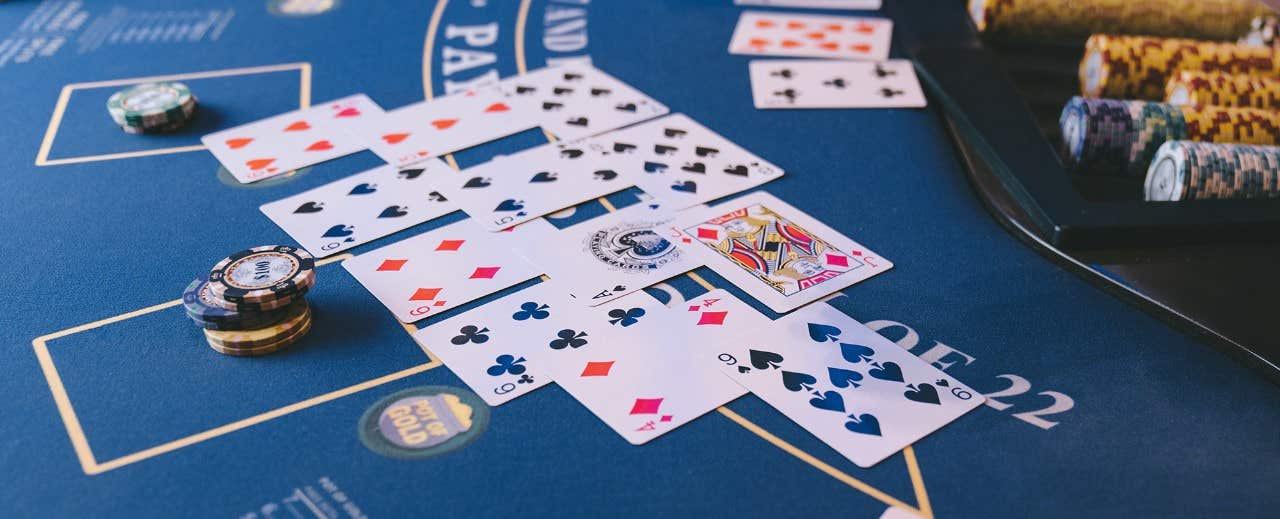
The layout of casinos is also designed to influence player behavior significantly. Slot machines and gaming tables are often organized to encourage exploration and interaction with various games, immersing players deeper into the gambling experience. The deliberate absence of windows and clocks creates a sense of timelessness, prolonging gambling sessions and increasing the likelihood of spending more money. This psychological manipulation highlights the casino’s understanding of human behavior and its impact on gaming patterns, ultimately driving more significant revenue.
Social dynamics within the casino environment are equally important. The camaraderie and shared excitement among players can amplify an individual’s desire to gamble. Observing others win, celebrating victories, and experiencing collective enthusiasm fosters a sense of belonging. This social reinforcement can intertwine with individual motivations, further solidifying the psychological appeal of spending time and money in a casino setting. As a result, players may find themselves engaging more deeply and frequently in gambling behaviors, often leading to increased expenditure.
Exploring responsible gambling awareness
The psychological dynamics associated with gambling necessitate a proactive approach to responsible gambling practices. Awareness campaigns aimed at educating both novice and seasoned gamblers about the inherent risks and rewards of their behavior have gained momentum in recent years. These initiatives emphasize the importance of setting limits regarding both time and financial expenditure, fostering healthier gambling habits. Education plays a pivotal role in helping individuals recognize the signs of risky behavior and encouraging them to seek assistance when necessary.
Moreover, many casinos have begun implementing responsible gaming measures within their establishments. Such measures may include features like self-exclusion programs, cooling-off periods, and access to support resources. By providing tools for self-regulation, casinos can create a safer gambling environment that prioritizes the psychological well-being of their patrons. This commitment reflects the industry’s responsibility to its customers and the broader community, promoting a culture of awareness and accountability.
Ultimately, fostering a comprehensive understanding of gambling psychology can lead to a more informed player base that enjoys gambling as a form of entertainment rather than a compulsive behavior. Such awareness benefits individuals and contributes to the long-term sustainability and integrity of the casino industry, balancing the thrill of gaming with the necessity of responsible practices. By encouraging a culture of mindfulness and education, the industry can help mitigate the risks associated with gambling while still providing an enjoyable experience.